Intro
Buying a used motorcycle can be a smart financial move — you skip the steep depreciation, save thousands, and might even score your dream bike.
But the used market also has risks — hidden damage, unclear ownership, or overpriced listings.
This 2025 guide breaks down the 7 essential tips for buying a used motorcycle in the USA — so you can make a confident, informed purchase that delivers miles of trouble-free riding.
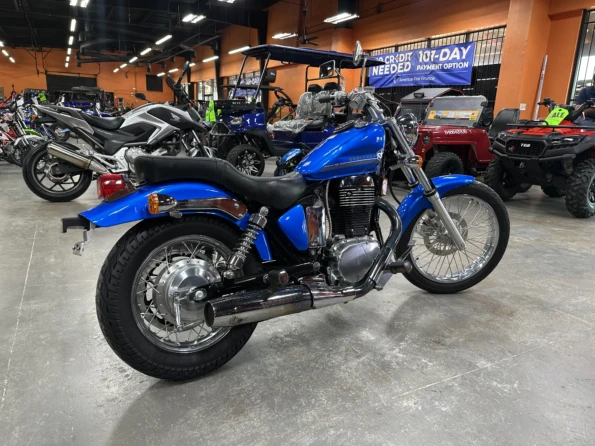
1. Define Your Riding Needs & Set a Clear Budget
Before you even start browsing, decide what kind of rider you are.
Are you looking for:
• A daily commuter for city traffic?
• A weekend cruiser for relaxed rides?
• An adventure tourer or dual-sport?
• A lightweight beginner bike?
Your purpose defines your choices — and your budget should include:
• Purchase price
• Title transfer, taxes, and registration fees
• Motorcycle insurance
• Maintenance or repairs (tires, fluids, battery, etc.)
2. Research Models, Reliability, and Market Prices
Once you’ve narrowed your type, shortlist models that suit your style and check how they perform on the used market.
Browse trusted sites like CycleTrader, Kelley Blue Book (KBB), Facebook Marketplace, and Craigslist to compare:
• Average resale price by year
• Availability of spare parts
• Known reliability or recall issues
Doing this research gives you leverage when negotiating and ensures you don’t overpay.
3. Inspect the Motorcycle Thoroughly
detailed inspection is non-negotiable. Examine the bike in daylight or bring a mechanic if you’re not confident.
Check these critical areas:
• Frame & Chassis: Look for cracks, dents, or signs of accident repairs.
• Engine: Start it cold, listen for knocks or smoke, and check for leaks.
• Tires & Wheels: Look for uneven wear or bent rims.
• Brakes & Suspension: Should feel firm, smooth, and leak-free.
• Electronics: Test headlights, horn, indicators, and battery health.
4. Verify VIN, Title, and Legal Ownership
n the U.S., a clean title is your guarantee of legitimate ownership.
Before paying:
• Ensure the VIN (Vehicle Identification Number) on the bike matches the one on the title.
• Avoid salvage or rebuilt titles unless you know exactly what was repaired.
• Use CycleVIN, NMVTIS, or Carfax for Motorcycles to check accident or theft history.
• Confirm the seller’s ID matches the title name.
Pro Tip: Walk away from deals with “open titles” or if the seller says, “I’m selling it for a friend.”
5. Take a Test Ride & Evaluate Performance
A test ride reveals what pictures can’t. Pay attention to:
• How easily it starts and idles cold
• Gear shifts and clutch smoothness
• Brake response and stability at different speeds
• Any strange vibrations or noises
• How comfortable it feels for your height and riding style
If the seller refuses a test ride — that’s a red flag.
6. Negotiate Properly Based on Condition & Repair Needs
Once you’ve inspected and test-ridden the bike, negotiate confidently.
If you find issues (e.g. worn tires, weak brakes, dead battery), factor those repair costs into your offer.
Avoid:
• Bikes that look “too clean” with fresh paint (could hide damage)
• Unverified mileage claims
• Sellers unwilling to meet in public or share full details
7. Finalize the Sale & Handle DMV Paperwork Properly
When the deal is done, complete the transaction by the book:
• Get a signed Bill of Sale with both parties’ names, date, VIN, price, and signatures.
• The seller must sign the title — don’t accept a blank or unsigned title.
• Register the bike at your local DMV within the required timeframe (usually 10–30 days).
• Update or purchase motorcycle insurance before riding.
After buying, perform essential maintenance: change oil, inspect brakes, replace fluids, and tighten chain and bolts.
Conclusion
Buying a used motorcycle in the USA doesn’t have to be stressful.
By following these 7 essential tips — doing your research, inspecting carefully, checking title history, and completing proper paperwork — you’ll make a smart, safe, and satisfying purchase.
Whether you’re scrolling through listings on CycleTrader or shaking hands with a private seller, remember: an informed rider is always a confident buyer.